Cloud-Assisted POC for
Smart Safety Helmets
Last reviewed:
One-month free cloud access for sample evaluation and controlled POC validation.
HelmetSight provides one month of free cloud access for sample and POC projects to validate selected location, device-management, alert, media, and monitoring workflows. Public cloud is an evaluation path; production should move to a customer-controlled private platform or a customer-owned APK/backend architecture.
Contact an EngineerWhat is HelmetSight cloud deployment?
HelmetSight cloud deployment allows smart helmet devices to connect with a hosted monitoring platform, so supervisors can view device status, GPS location, safety alerts, playback records, and field operation events without maintaining local platform servers.
Cloud deployment is usually the fastest path for pilots, multi-site projects, remote supervisors, and customers that want managed platform access. It is best suited when the project does not require private local storage, strict internal network control, or deep local video-processing workflows.
Fast rollout
Pilot projects, distributed teams, and organizations that want quick access to a monitoring dashboard.
Less local infrastructure
Customers do not need to prepare and maintain a full local platform environment before starting.
Data and video policy
Confirm storage, account access, video workflow, and any compliance requirements before deployment.
Platform Snapshot
HelmetSight devices can work with a monitoring platform for live GPS tracking, device management, and safety alerts. Below is a quick overview of what the platform can provide.
Live GPS Tracking
Real-time worker location on map
Alert Center
SOS + safety alarms dashboard
Device Status Dashboard
Monitor battery, signal, online status
Track Playback
Historical route review when enabled
Admin & Role Management
User permissions and access control
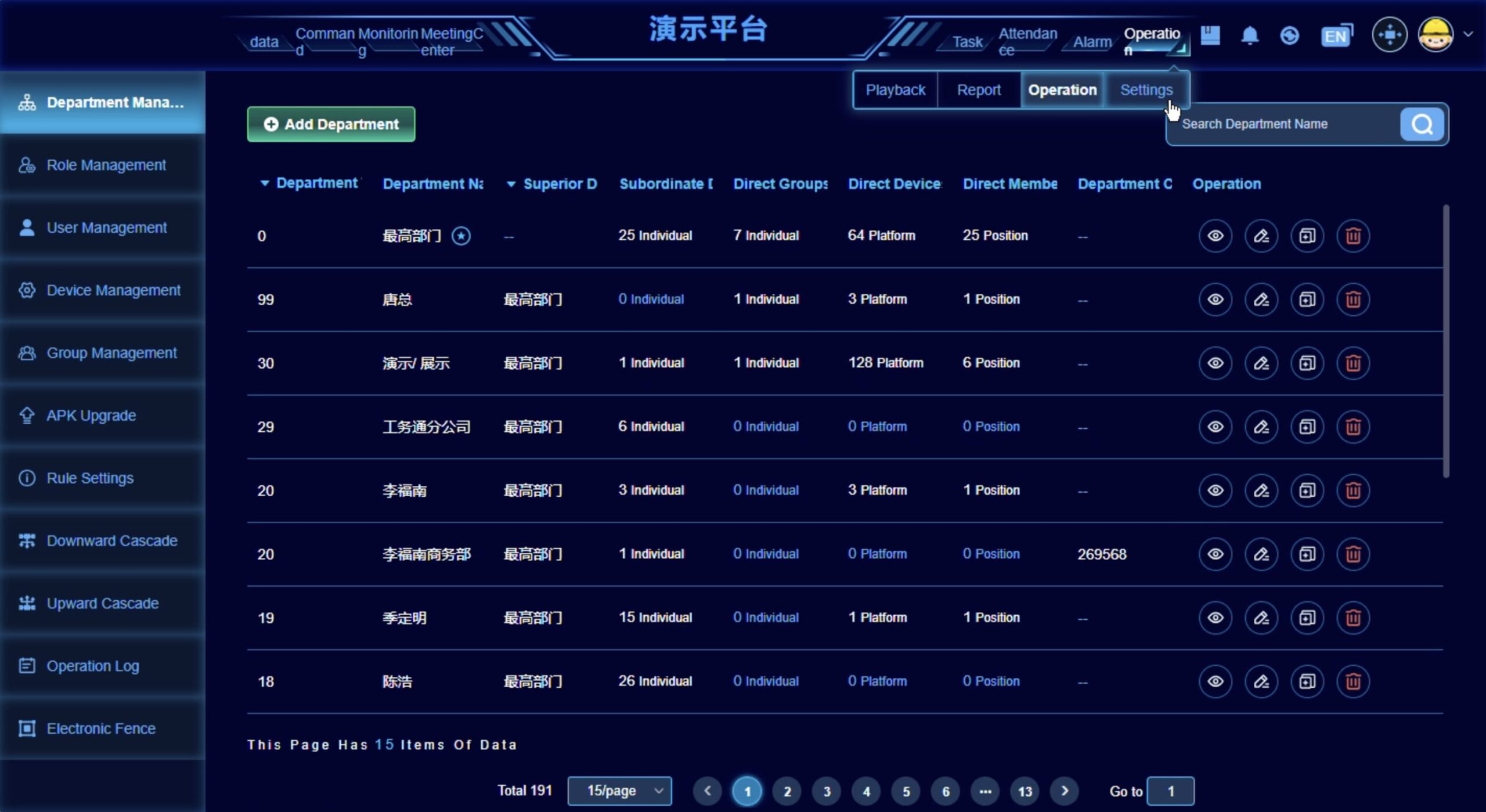
Example: dashboard + live map + alerts
See the HelmetSight Cloud Monitoring Platform in Action
Watch the complete G901 smart helmet monitoring platform demonstration, covering cloud administration, device management, live video, voice communication, GPS tracking, electronic geofences, safety alarms, and recorded media playback.
G901 Smart Helmet Monitoring Platform — Full Demonstration
Follow the complete workflow from platform setup and user administration to live field monitoring, emergency response, and cloud-based evidence review.
Cloud POC Architecture
HelmetSight smart helmets collect safety and location data in the field. Data is transmitted through cellular or wireless networks and processed by a cloud monitoring platform where supervisors can monitor device status and safety events in real time.
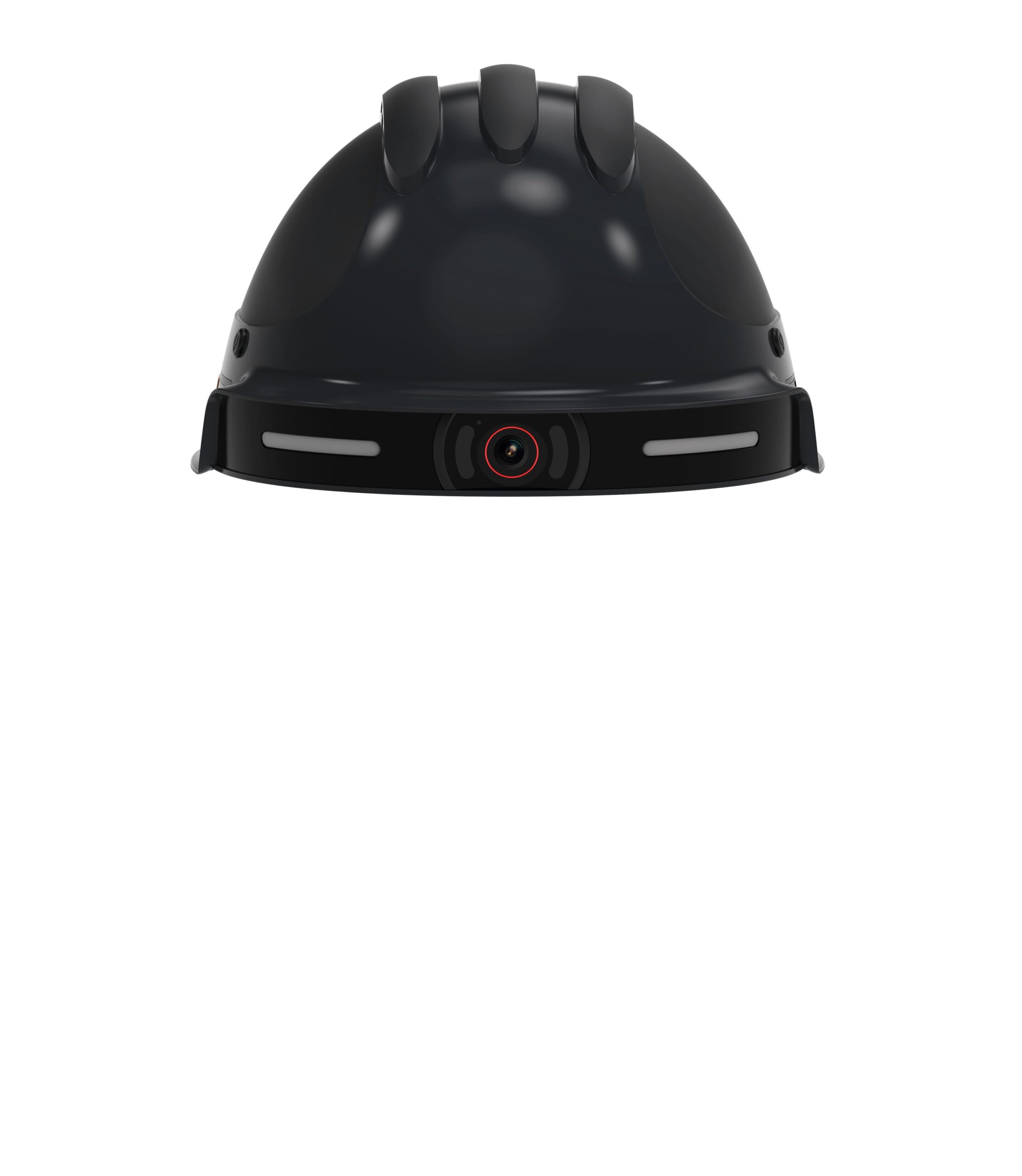
Collects safety & location data
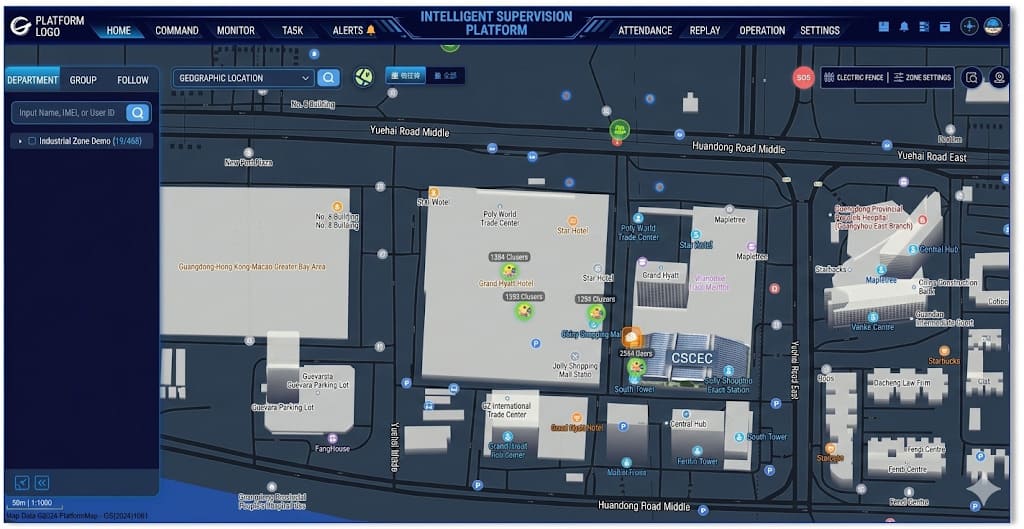
Real-time processing & dashboard
Architecture Flow: Smart Helmet → Network → Cloud Monitoring Platform
Platform Capabilities
Real-Time Monitoring
View device location, alerts, and operational data from a centralized monitoring dashboard.
Remote Device Management
Manage device status, user roles, and selected configuration items depending on platform permissions.
Safety Alert System
Receive safety alerts and emergency notifications instantly when events occur.
Platform Integration
Cloud deployment can support platform-side integration discussions depending on required data, access method, and project scope.
Typical POC Validation Workflow
Data Collection
HelmetSight smart helmets collect safety and positioning data.
Network Transmission
Data is transmitted through cellular or wireless networks.
Cloud Processing
The cloud platform processes device information and safety events.
Supervisor Monitoring
Supervisors monitor devices through a web dashboard.
When Should You Choose Cloud Deployment?
Cloud deployment is useful when speed, remote access, and managed platform availability matter more than private local infrastructure.
Your project needs fast monitoring access
You are running a pilot or sample project and need to validate smart helmet workflows quickly.
Your supervisors need remote dashboard access across multiple project sites.
Your team does not want to prepare local servers, storage, and platform maintenance at the beginning.
Your project needs private local control
Your customer requires local storage, data residency, or private network operation.
Your workflow depends on local video access, RTSP routing, local AI processing, or a command center inside a restricted network.
Your IT or compliance team must review server environment, access control, storage, and integration method before deployment.
Governed system-path summary
Reviewed project fit
Use this approved summary to confirm software ownership, team responsibilities and the questions that belong in the pilot scope.
Sample Demonstration
Verified within stated scopeHelmetSight offers a one-month functional demonstration for 1–2 devices so a buyer can review selected device and monitoring workflows before deciding on a production architecture. It is a sample environment, not an overseas production API deployment.
- Best fit
- Teams that want to review core device and monitoring workflows with a limited number of devices before confirming production scope.
- Consider another path when
- Production data residency, permanent customer-system integration, scale testing, or long-term hosted operation.
- Primary interface
- Sample HelmetSight monitoring interface
- HelmetSight provides
- Selected G808 or G901 evaluation device, a time-limited sample account, and agreed functional walkthrough support.
- Customer owns
- Test network, evaluation users, target workflows, and written acceptance questions.
One month and 1–2 devices. Production API access, hosting, performance, retention, integration, and security are outside the sample scope.
Cloud Smart Helmet Deployment Questions
Is cloud deployment the fastest way to start? +
What can supervisors monitor in the cloud platform? +
Can cloud deployment integrate with an existing system? +
When is cloud deployment not the best choice? +
What information is needed before cloud deployment? +
Ready to validate with a
cloud POC?
Our engineers can define the one-month cloud POC scope and the customer-controlled production architecture that follows it.
Contact an Engineer