Smart Helmet Solution for Utility and Power Operations
Real-time visibility and coordination for inspection, maintenance, and emergency repair operations.
Utility and power infrastructure operations often require teams to work across large territories and complex environments. HelmetSight smart helmets and monitoring platform provide real-time field visibility, communication, and operational traceability to improve safety and coordination during inspection and maintenance tasks.
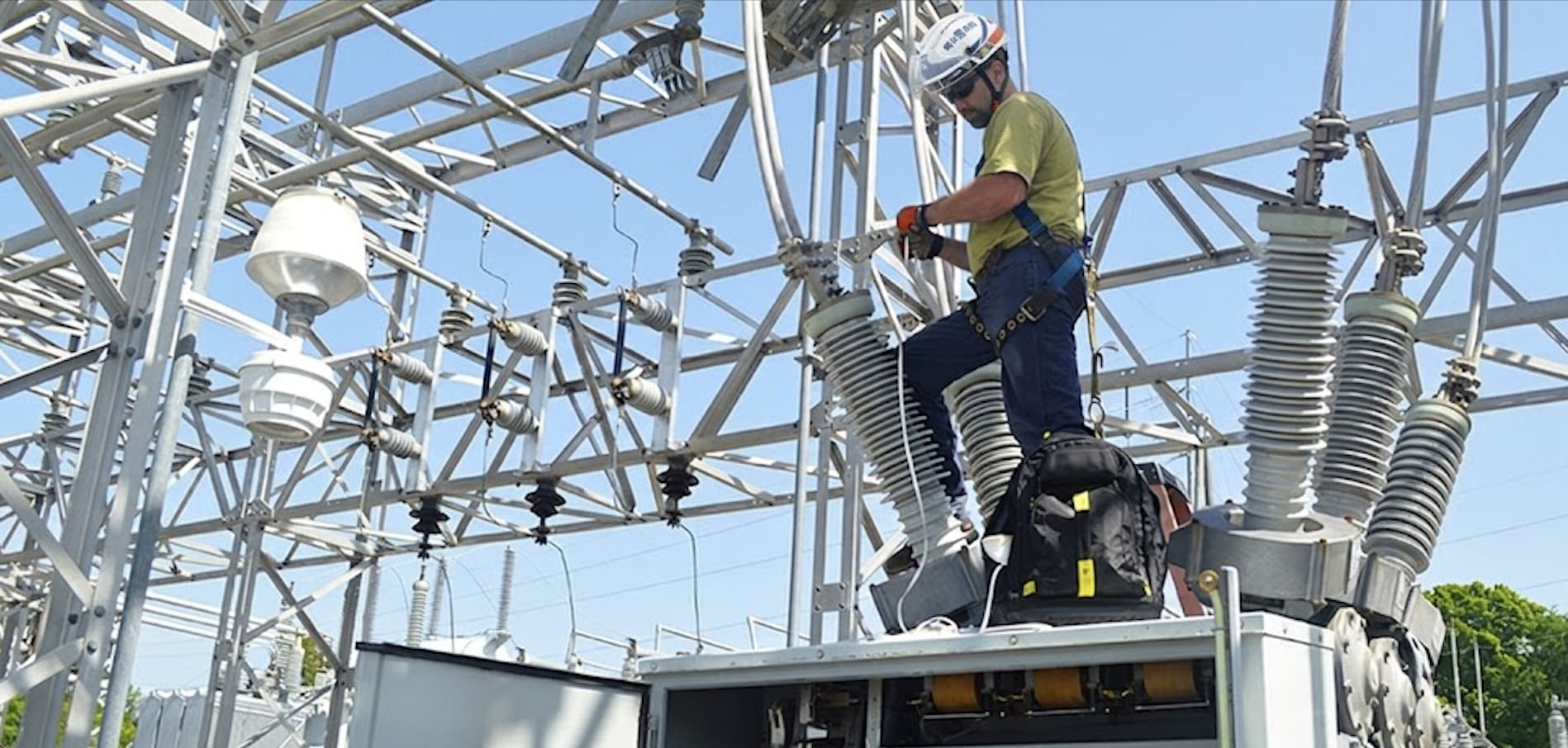
Operational Challenges in Utility and Power Maintenance
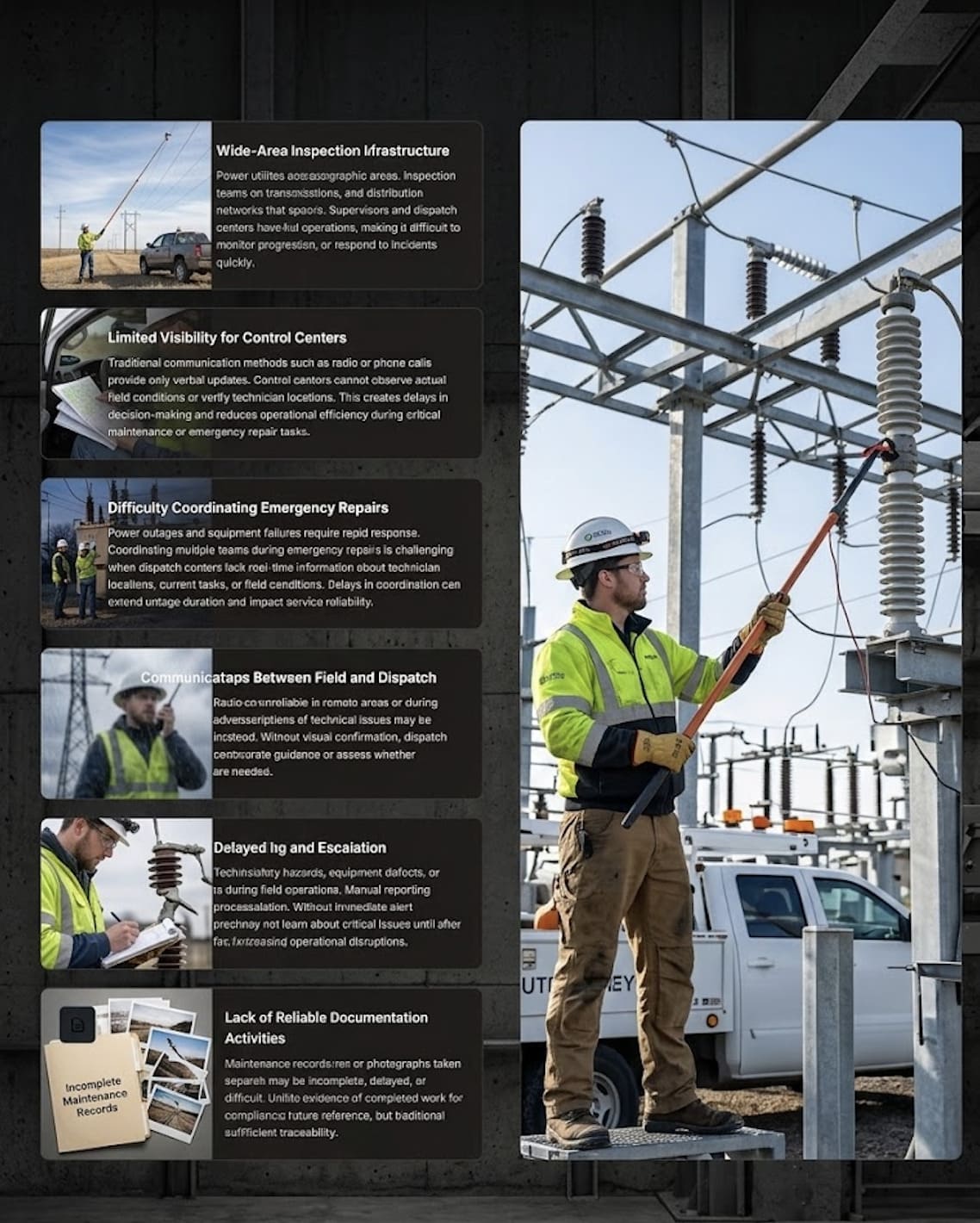
Wide-Area Inspection Across Remote Infrastructure
Power utilities operate across extensive geographic areas. Inspection teams work on transmission lines, substations, and distribution networks that span hundreds of kilometers. Supervisors and dispatch centers have limited visibility into field operations, making it difficult to monitor progress, verify work completion, or respond to incidents quickly.
Limited Visibility for Control Centers
Traditional communication methods such as radio or phone calls provide only verbal updates. Control centers cannot observe actual field conditions or verify technician locations. This creates delays in decision-making and reduces operational efficiency during critical maintenance or emergency repair tasks.
Difficulty Coordinating Emergency Repairs
Power outages and equipment failures require rapid response. Coordinating multiple teams during emergency repairs is challenging when dispatch centers lack real-time information about technician locations, current tasks, or field conditions. Delays in coordination can extend outage duration and impact service reliability.
Communication Gaps Between Field and Dispatch
Radio communication is often unreliable in remote areas or during adverse weather. Verbal descriptions of technical issues may be incomplete or misunderstood. Without visual confirmation, dispatch centers cannot provide accurate guidance or assess whether additional resources are needed.
Delayed Incident Reporting and Escalation
Technicians may encounter safety hazards, equipment defects, or unexpected conditions during field operations. Manual reporting processes delay incident escalation. Without immediate alert mechanisms, supervisors may not learn about critical issues until after the fact, increasing safety risks and operational disruptions.
Lack of Reliable Documentation for Maintenance Activities
Maintenance records often rely on manual notes or photographs taken separately. This documentation may be incomplete, delayed, or difficult to verify. Utilities need reliable evidence of completed work for compliance, quality assurance, and future reference, but traditional methods do not provide sufficient traceability.
HelmetSight Utility Operations Solution
Three integrated components that provide real-time field visibility, communication, and operational coordination for utility maintenance teams.
Smart Helmet Terminal
Field-worn device that captures first-person perspective video, voice, location, and safety data during utility operations.
Monitoring Platform
Web-based and mobile application for dispatch centers to monitor field operations, coordinate teams, and manage operational data.
Deployment and Integration Options
Flexible deployment models to meet different utility operational requirements and infrastructure preferences.
Quick deployment with hosted infrastructure. Suitable for utilities with distributed operations and limited IT resources.
Private infrastructure deployment for utilities with data residency requirements or existing data center operations.
Connect with existing utility management systems, SCADA platforms, or enterprise applications through documented APIs.
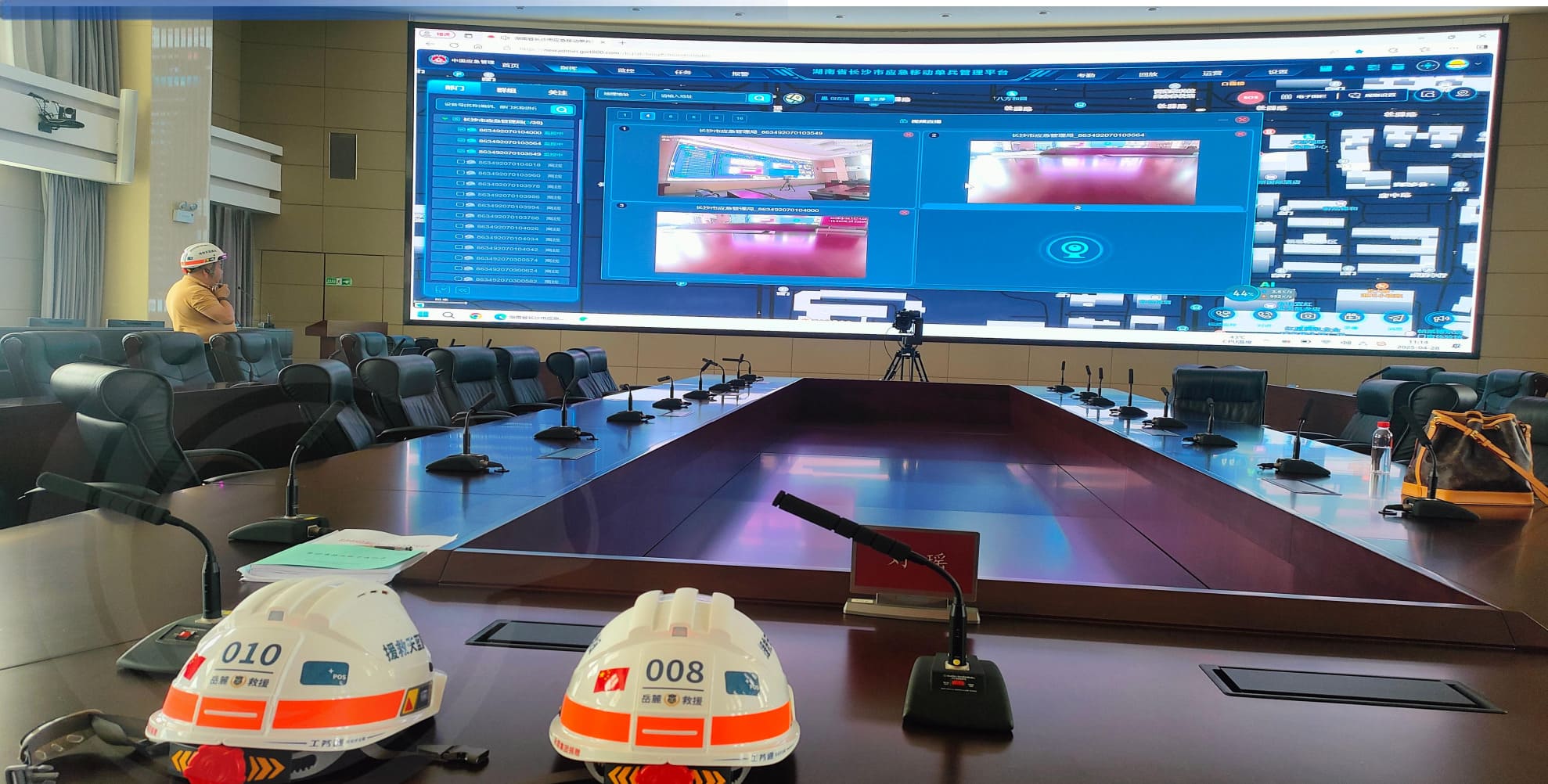
Operational Workflow
Six-step process from task assignment to operation review, providing continuous visibility and coordination throughout utility field operations.
Inspection or Maintenance Task Assignment
Dispatch center assigns inspection or maintenance tasks to field technicians through the platform. Task details include location, work scope, safety requirements, and expected completion time. Technicians receive task information on mobile devices or through briefing before deployment.
Technicians Deploy with Smart Helmets
Field technicians equip smart helmets before traveling to work sites. Helmets are activated and connected to the platform. GPS positioning begins tracking technician locations. Video recording and communication systems are ready for operation. Technicians proceed to assigned locations with full monitoring capability.
Video, Voice, and GPS Data Transmitted to Platform
During field operations, smart helmets continuously transmit first-person video, voice communication, and GPS location data to the monitoring platform. Data transmission occurs over 4G networks. Platform receives real-time operational information and stores data for later review. Technicians can communicate with dispatch center through voice channels while working.
Dispatch Center Monitors Field Operations
Supervisors in dispatch centers observe live video feeds from field technicians through the monitoring platform. They can view multiple technician perspectives simultaneously, track worker locations on maps, and assess work progress. Supervisors provide guidance or instructions through voice communication when needed. Platform displays operational status, task completion progress, and team coordination information.
Alerts and Abnormal Events Are Escalated
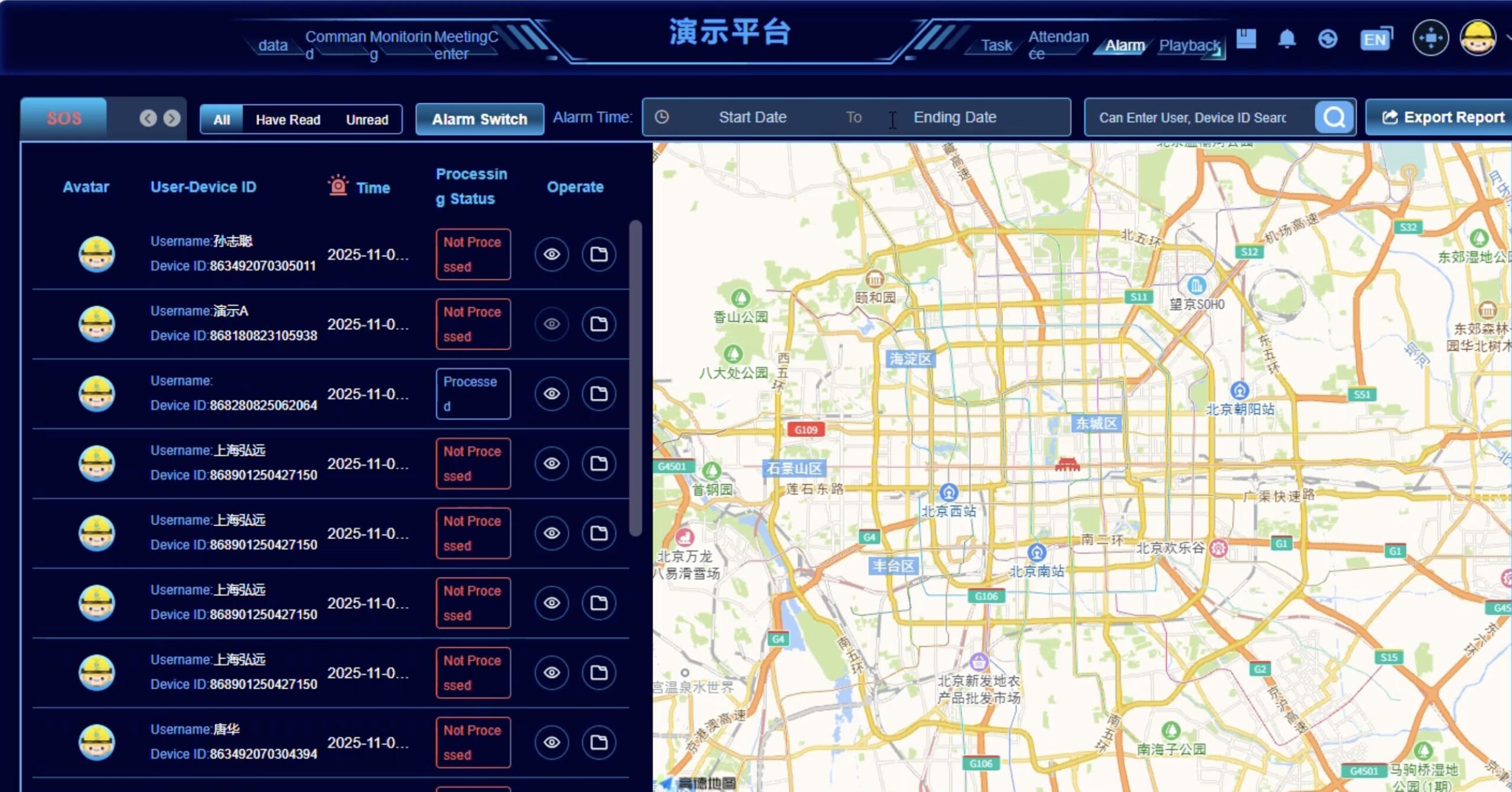
Smart helmets detect and report safety events such as SOS triggers, abnormal motion patterns, or electronic fence violations. Platform alarm center immediately notifies supervisors when alerts occur. Supervisors can view live video and location information to assess situations and coordinate response. Emergency protocols are initiated when necessary, including dispatching additional teams or contacting emergency services.
Operations Are Reviewed Through Playback After Completion
After field operations are completed, supervisors and quality assurance teams review recorded video and track playback through the platform. Historical data provides evidence of work completion, supports maintenance documentation, and enables operational analysis. Video recordings can be exported or archived for compliance purposes. Track playback shows complete technician movement patterns during operations.
Monitor and Coordinate Utility Field Operations
See how dispatch teams can locate connected G901 devices, open live first-person video, communicate with technicians and issue remote commands from one monitoring interface.
G901 Command Monitoring for Utility Operations
This demonstration shows how supervisors select an online G901 device, review its operating status and location, open a live helmet-camera feed and use remote tools such as voice communication, photography, recording, messaging and historical track review.
Map availability: The platform’s map functions use Google services. Map content may not display in regions where those services are restricted, including mainland China. Users in supported regions can view device locations and map information normally.
Core Capabilities
Eight key capabilities that support utility field operations, from remote visibility to team management.
Remote Field Visibility
Supervisors can observe operations through video and location information. Real-time visibility eliminates communication gaps and enables dispatch centers to verify field conditions without verbal descriptions. Supervisors see exactly what technicians see during inspections and maintenance tasks.
Worker Location Awareness
GPS tracking helps locate technicians across large operational areas. Dispatch centers can monitor technician positions on maps, verify that teams are at assigned locations, and coordinate multiple crews during complex operations. Location data supports resource allocation and emergency response planning.
Emergency Alert Escalation
SOS alerts notify supervisors immediately when technicians encounter emergencies or safety hazards. Platform alarm center displays alert details including location and video feed. Supervisors can assess situations quickly and coordinate response actions. Automated alert escalation reduces response time during critical incidents.
Inspection Documentation
Video evidence supports maintenance records and compliance documentation. Recorded operations provide reliable proof of completed work, equipment conditions, and inspection results. Documentation can be reviewed by quality assurance teams, exported for regulatory reporting, or archived for future reference.
Operational Playback
Track playback helps analyze inspection routes and operational efficiency. Supervisors can review complete technician movement patterns, verify that inspection protocols were followed, and identify areas for process improvement. Historical playback supports training, quality control, and operational analysis.
Dispatch Coordination
Voice communication supports real-time instructions and coordination between dispatch centers and field technicians. Supervisors can provide guidance during complex tasks, clarify work requirements, or coordinate multiple teams during emergency repairs. Two-way communication eliminates delays caused by traditional radio systems.
Safety Zone Monitoring
Electronic fence alerts help prevent unsafe entry into restricted areas. Utilities can define geographic boundaries for high-voltage zones, active construction areas, or other hazardous locations. Platform generates alerts when technicians approach or enter restricted zones, enabling supervisors to intervene before safety violations occur.
Team Management
Role-based access helps manage large operations teams with different responsibilities. Platform supports organizational hierarchies, department structures, and permission levels. Administrators can assign roles, control data access, and manage user accounts for utility staff, contractors, and system integrators.
Utility Operations Monitoring Platform
Command platform and modules designed to help dispatch centers monitor inspection teams and coordinate maintenance activities across utility infrastructure.
Data Overview Dashboard
Central dashboard displays operational statistics, active technician count, device status, recent alerts, and task completion metrics. Supervisors get immediate visibility into overall operational status across all utility field teams.
Alarm Center
Centralized alert management interface displays all safety events, SOS triggers, electronic fence violations, and abnormal motion alerts. Supervisors can view alert details, access associated video feeds, and coordinate response actions from a single interface.
Command Center
Real-time coordination interface for monitoring live operations. Supervisors can view multiple video feeds simultaneously, communicate with technicians through voice channels, track worker locations on maps, and coordinate team activities during complex maintenance tasks or emergency repairs.
Monitoring Center
Device and worker status monitoring interface displays helmet battery levels, connection status, online/offline status, and equipment health information. Supervisors can identify technical issues proactively and ensure that all field equipment is functioning properly.
Playback Center
Historical operation review interface allows supervisors to search and playback recorded video, review track history, and analyze completed operations. Supports quality assurance, compliance documentation, and operational analysis. Video and location data can be exported for reporting or archival purposes.
Administration Console
System configuration and user management interface. Administrators can create user accounts, assign roles and permissions, manage organizational structure, configure electronic fence boundaries, and adjust system settings. Supports role-based access control for utility staff, contractors, and external partners.
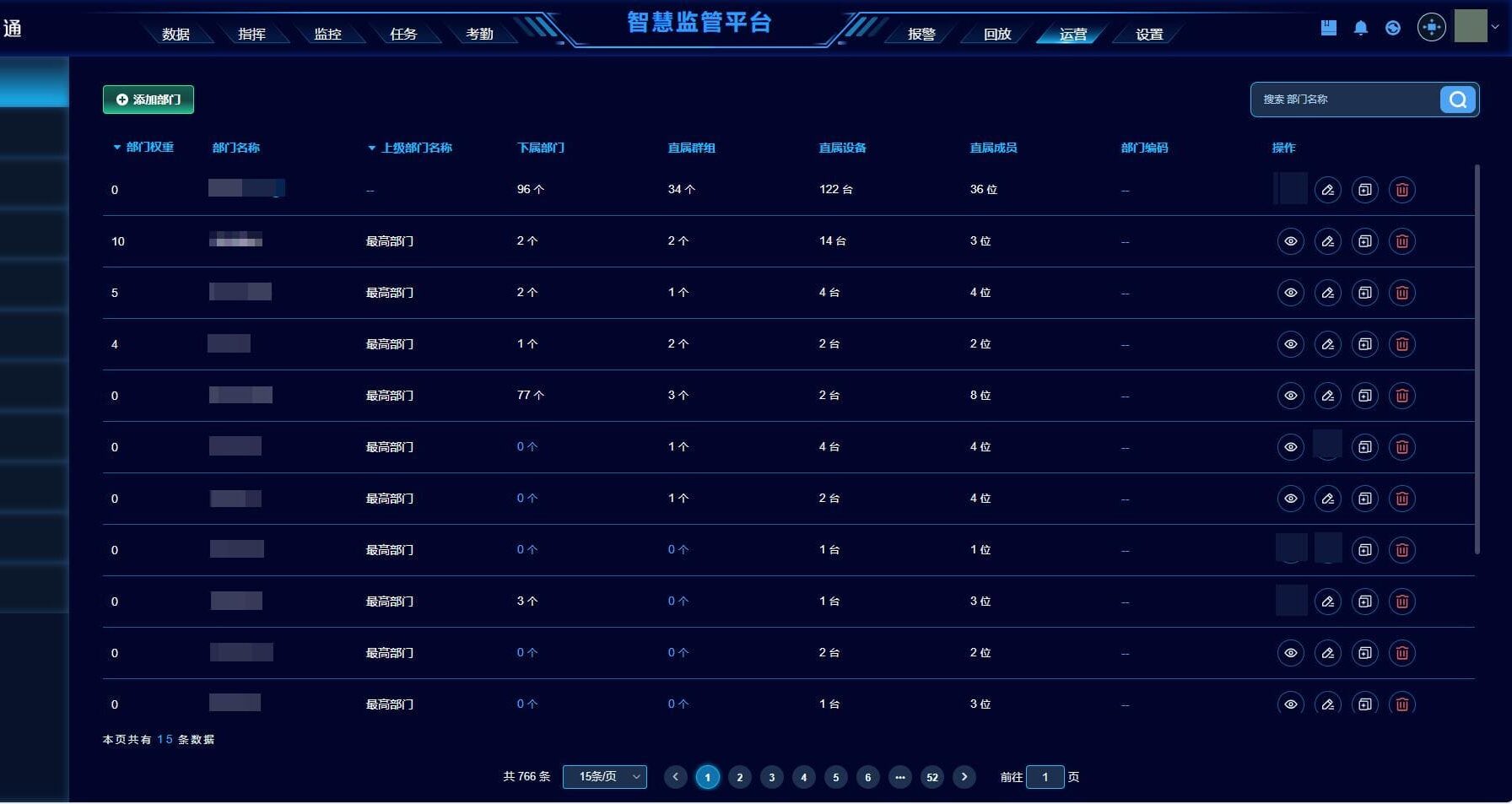
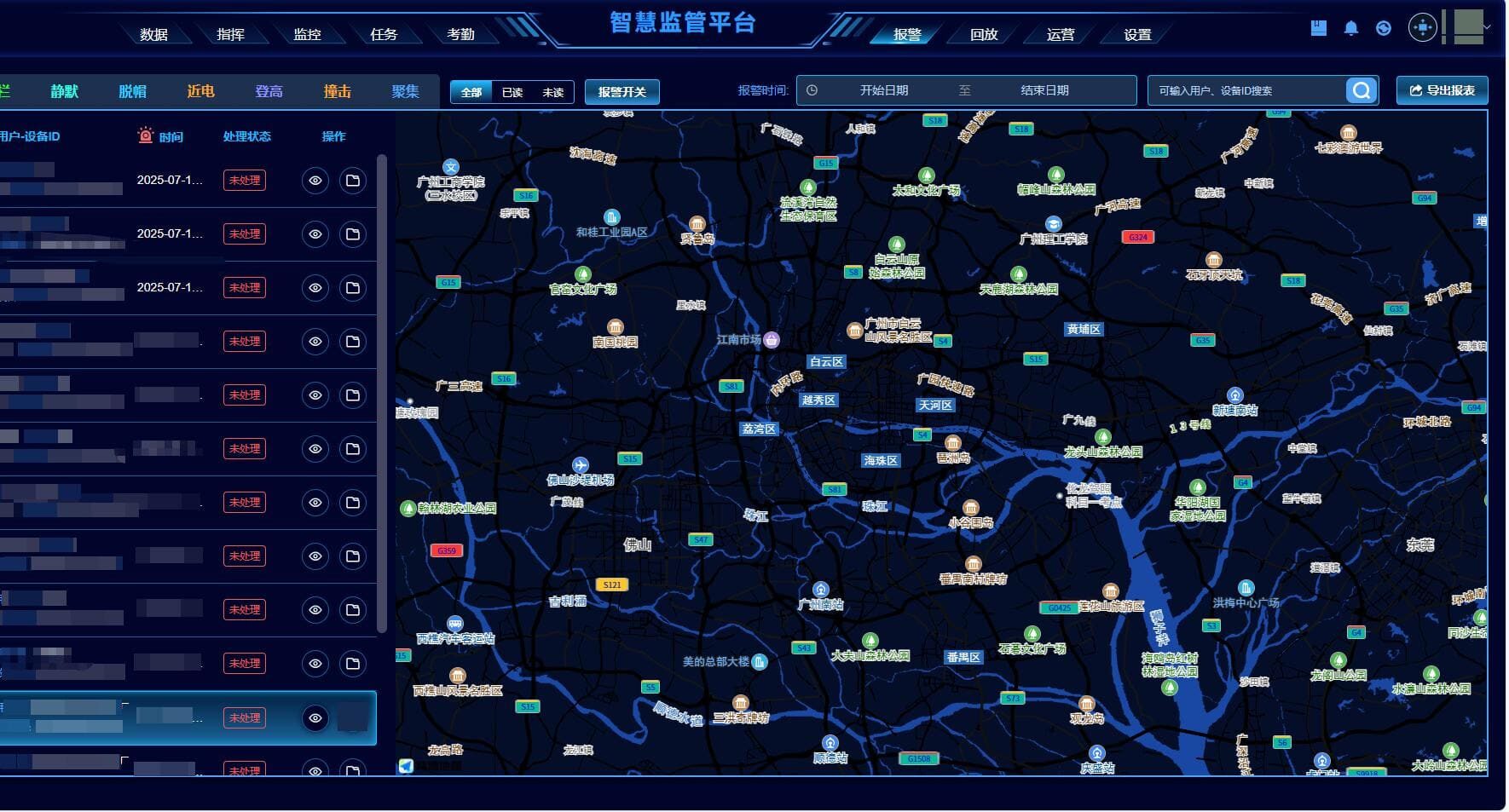
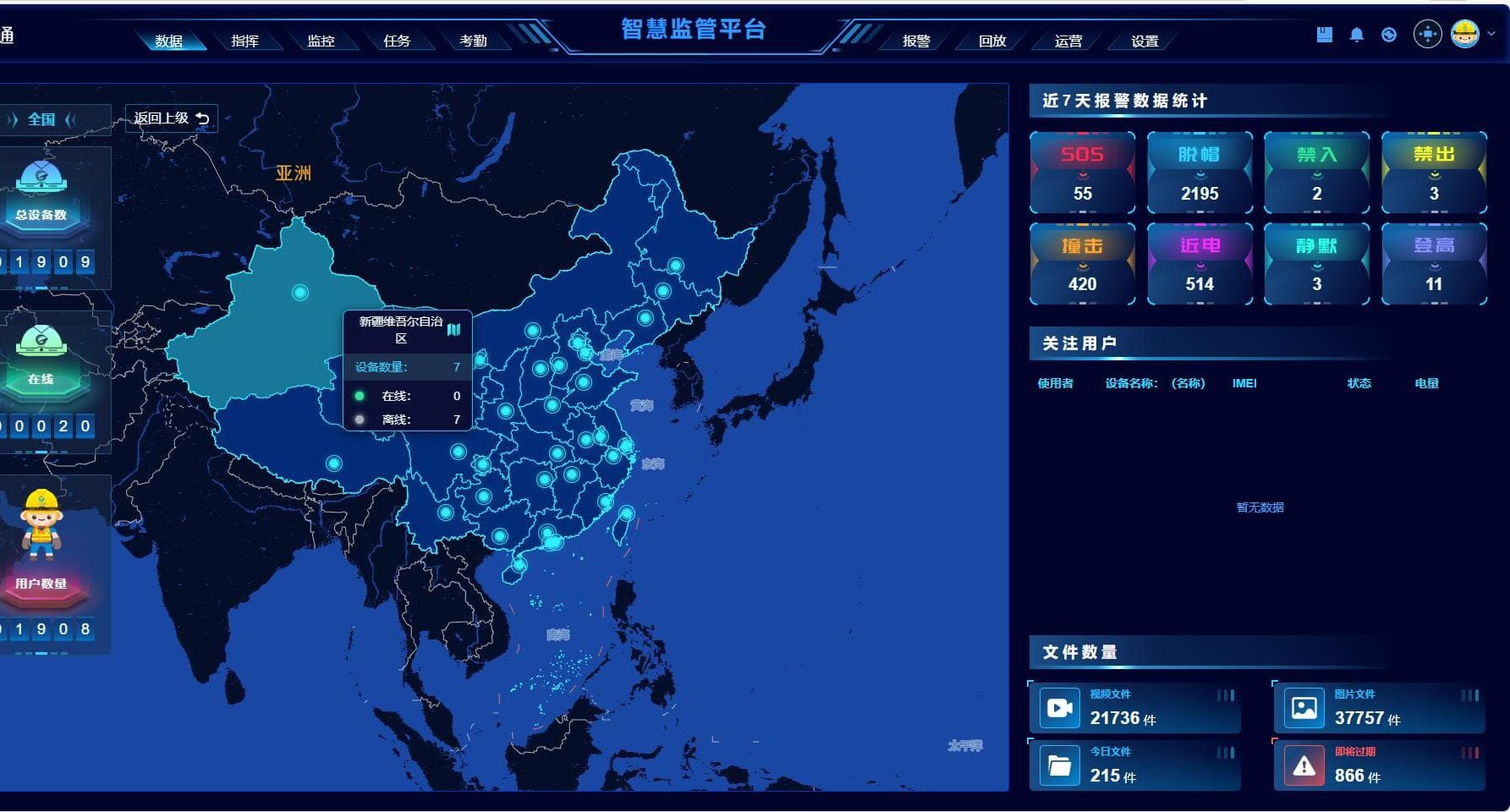
Typical Application Scenarios
Five common utility operation scenarios where smart helmets provide operational support and safety monitoring.
Power Line Inspection
Operational Challenge: Transmission and distribution line inspection teams work across extensive geographic areas, often in remote locations. Supervisors cannot directly observe inspection activities or verify that technicians are following safety protocols when working near energized conductors.
How Smart Helmets Support: Technicians wear smart helmets during line patrol and inspection activities. First-person video allows supervisors to observe actual line conditions, equipment status, and inspection procedures. GPS tracking shows inspection routes and verifies that scheduled inspection points are visited. Voice communication enables supervisors to provide guidance when technicians identify equipment defects or abnormal conditions. Video recordings provide documentation for maintenance planning and compliance reporting.
Substation Maintenance
Operational Challenge: Substation maintenance requires technicians to work in high-voltage environments with complex equipment. Control centers need to monitor technician activities to ensure safety procedures are followed and coordinate multiple maintenance tasks simultaneously.
How Smart Helmets Support: Smart helmets provide real-time video monitoring during substation maintenance operations. Supervisors can observe technician activities from control centers, verify that lockout-tagout procedures are followed correctly, and ensure that technicians maintain safe distances from energized equipment. Electronic fence alerts notify supervisors if technicians approach restricted areas within substations. Two-way voice communication supports coordination between multiple maintenance teams working in the same facility. Video documentation supports quality assurance and regulatory compliance for maintenance activities.
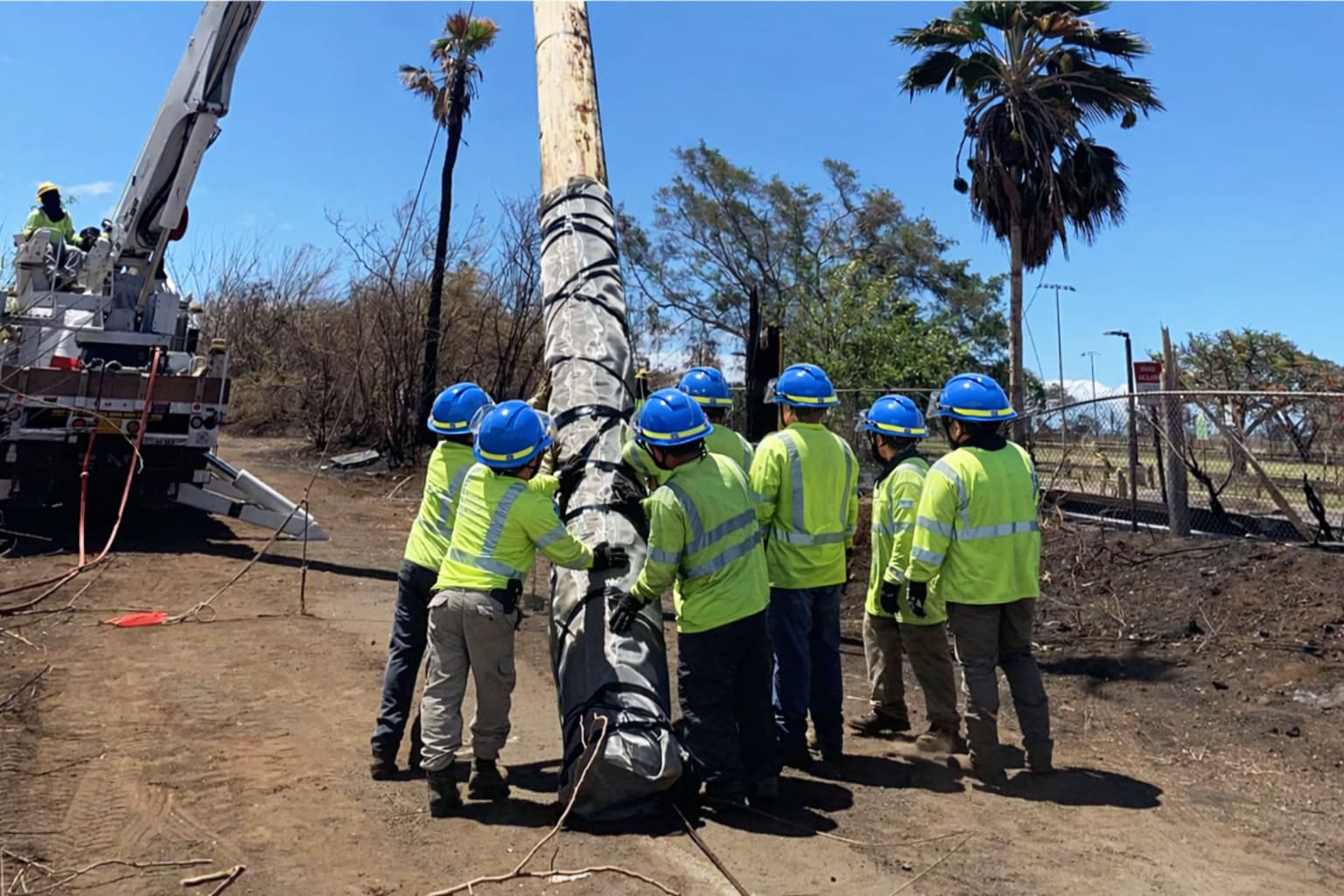
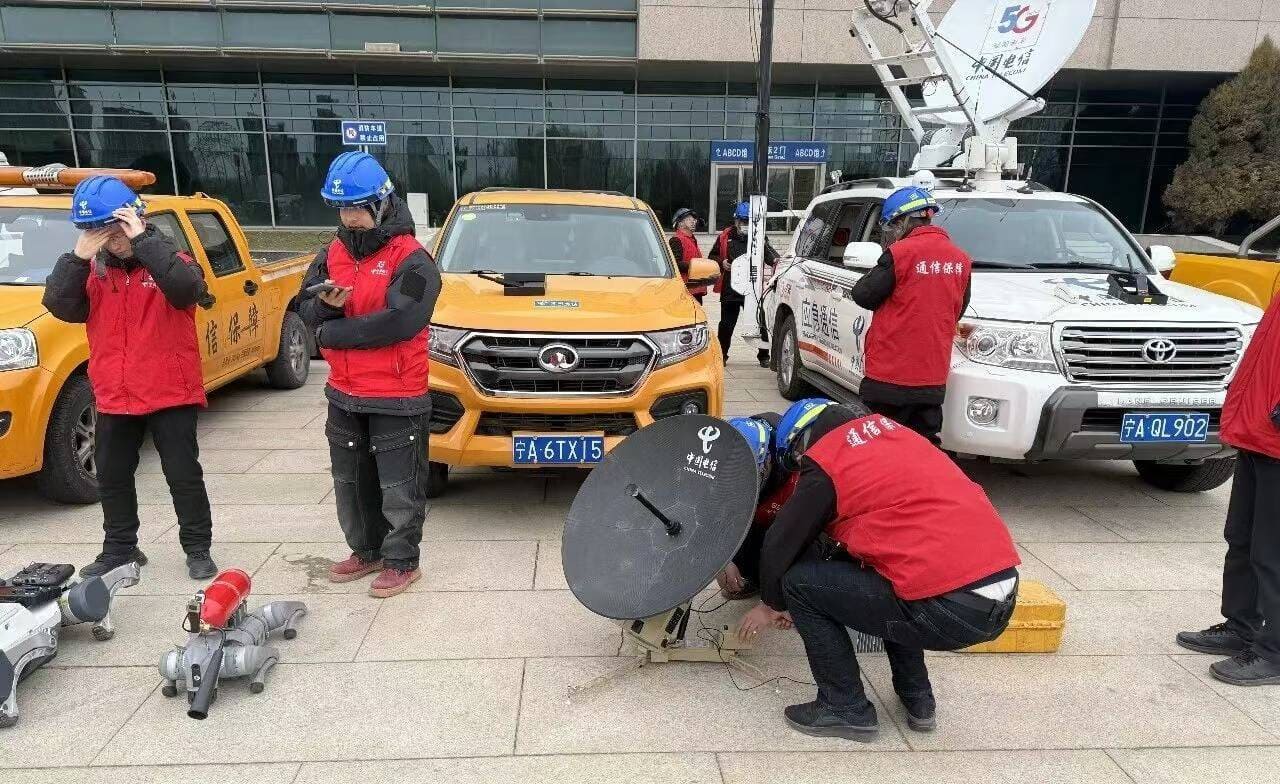
Emergency Power Restoration
Operational Challenge: Power outages caused by equipment failures, weather events, or accidents require rapid response from repair crews. Dispatch centers need real-time information about damage assessment, repair progress, and resource requirements to coordinate emergency response effectively.
How Smart Helmets Support: Repair crews equipped with smart helmets provide immediate visual assessment of equipment damage and site conditions when they arrive at outage locations. Supervisors in dispatch centers can view live video to verify damage severity, determine required materials and equipment, and coordinate additional resources if needed. Voice communication enables real-time coordination between multiple repair crews working on related equipment. GPS tracking shows crew locations and helps dispatch centers allocate resources efficiently across multiple outage sites. Video documentation supports incident investigation and insurance claims.
Infrastructure Inspection in Remote Areas
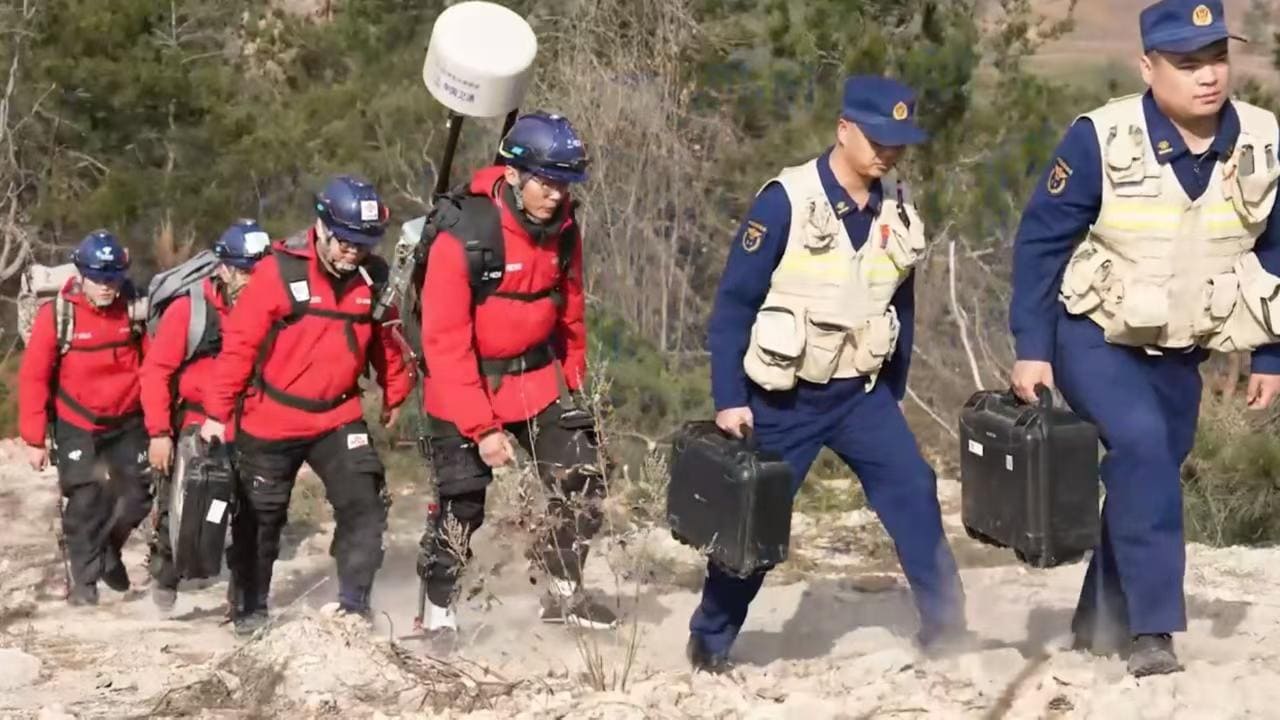
Operational Challenge: Utility infrastructure in remote or difficult-to-access areas requires periodic inspection, but traditional communication methods are unreliable. Supervisors have limited visibility into inspection activities and cannot verify that remote equipment is inspected according to schedule.
How Smart Helmets Support: Smart helmets with 4G connectivity enable reliable communication even in remote locations where traditional radio systems have poor coverage. GPS positioning verifies that technicians reach scheduled inspection locations and complete required inspection routes. First-person video provides visual confirmation of equipment conditions without requiring supervisors to travel to remote sites. Video recordings can be reviewed later if network connectivity is intermittent during field operations. Track playback shows complete inspection routes and verifies that all scheduled equipment is inspected.
Night Maintenance Operations
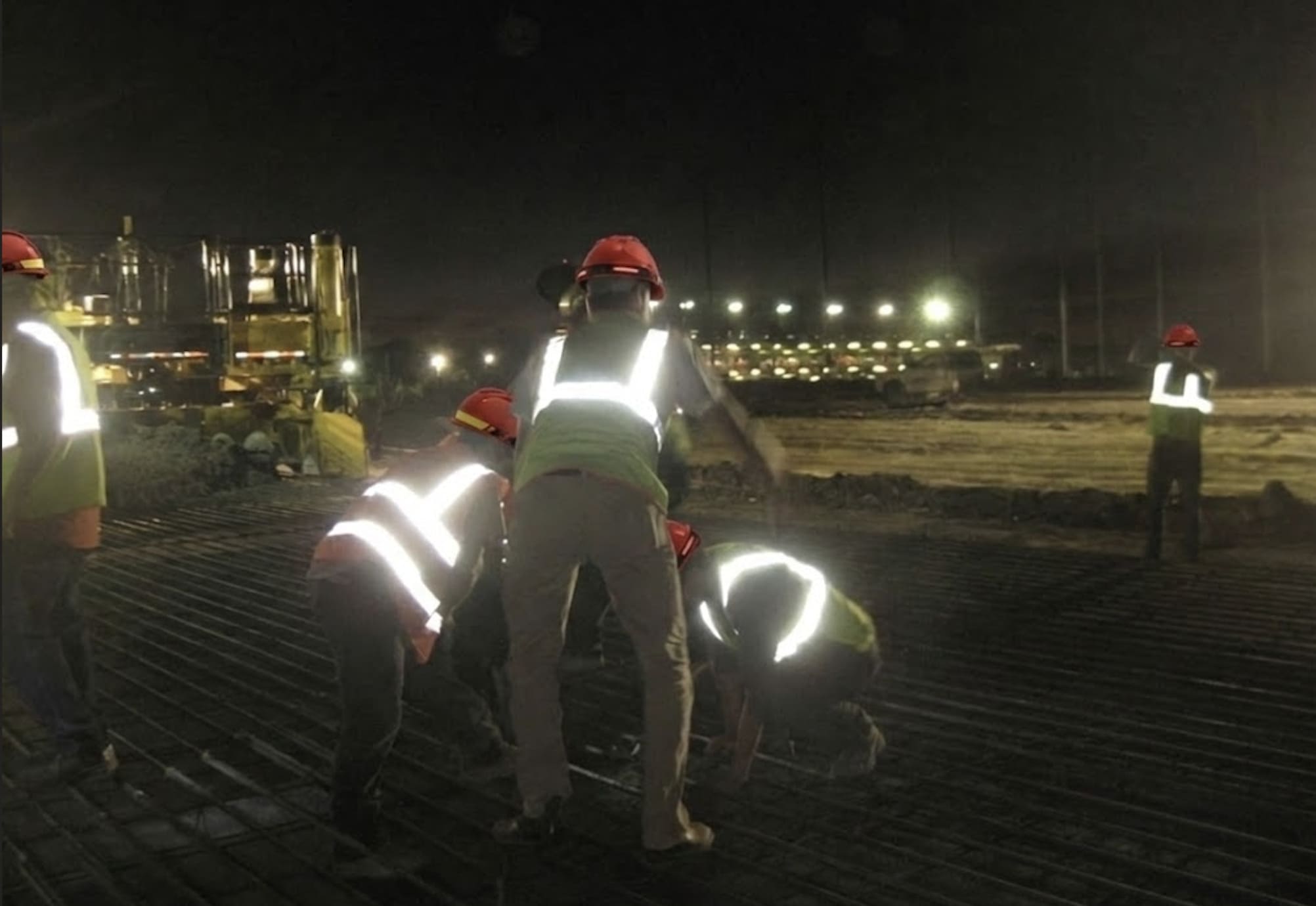
Operational Challenge: Many utility maintenance activities occur at night to minimize service disruptions during peak demand hours. Night operations increase safety risks due to reduced visibility, and supervisors have greater difficulty monitoring technician activities in dark conditions.
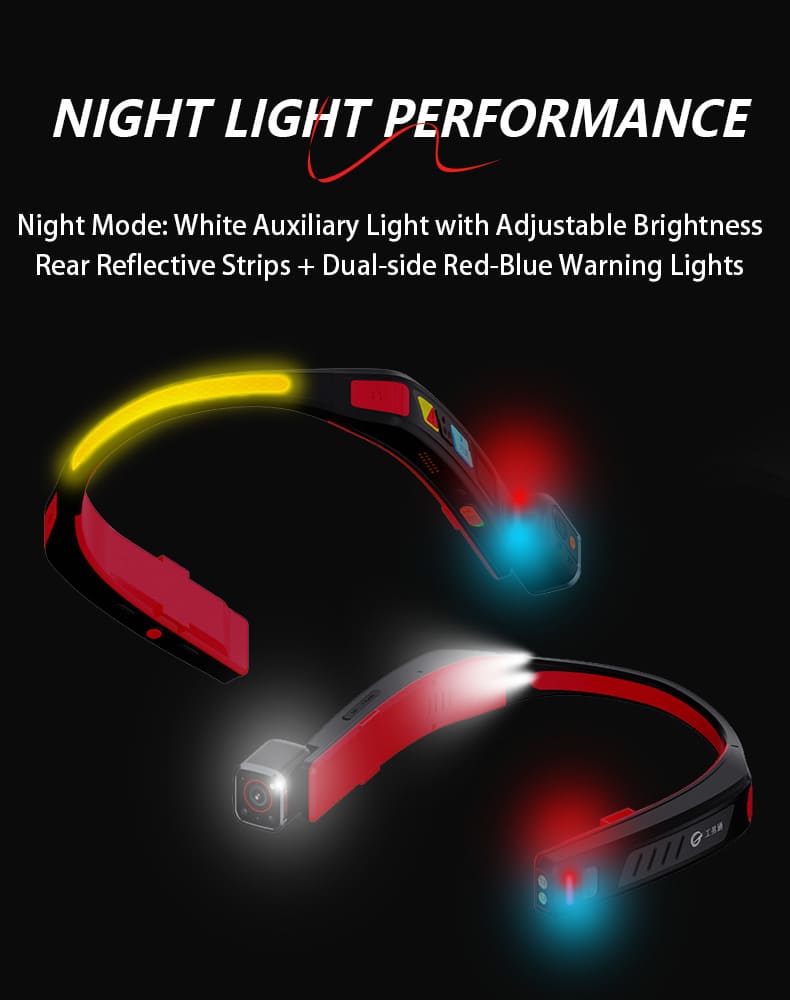
How Smart Helmets Support: Smart helmets with optional night vision or low-light video capabilities provide supervisors with visibility during night operations. Video monitoring helps supervisors verify that technicians are using proper lighting equipment and following safety procedures in low-visibility conditions. GPS tracking shows technician locations during night operations when visual observation is not possible. Voice communication provides continuous contact between dispatch centers and field crews during night shifts. SOS alerts enable rapid response if technicians encounter emergencies during night operations. Video documentation provides evidence of completed work for maintenance records.
Customization Options
Flexible customization options to meet specific utility organizational requirements and operational preferences.
Helmet Shell Color
Helmet shell colors can be customized to match utility organizational standards or to distinguish different worker roles, departments, or contractor teams. Common options include standard safety colors and utility-specific color schemes.
Company Logo
Utility company logos can be applied to helmet shells through printing or labeling processes. Logo placement and size can be adjusted to meet organizational branding requirements while maintaining helmet safety certifications.
Worker Identification Marks
Helmets can be marked with worker identification numbers, department codes, or role indicators to support operational coordination and accountability. Identification methods include printed labels, RFID tags, or QR codes depending on utility requirements.
Selected Functional Modules
Platform functional modules can be selected based on operational requirements. Utilities can choose specific monitoring capabilities, alarm types, reporting features, and integration options that match their operational workflows and compliance needs.
Deployment Architecture
Deployment architecture can be customized for cloud, on-premise, or hybrid configurations. Infrastructure specifications, server requirements, network architecture, and data storage options are determined based on utility IT policies and operational scale.
Platform Integration Options
Integration options enable connection with existing utility management systems, SCADA platforms, work order systems, or enterprise applications. Integration scope, data exchange formats, and API specifications are defined during procurement planning to ensure compatibility with existing infrastructure.
Customization options are discussed during project planning and quotation phases. HelmetSight engineering team works with utility procurement teams to define specifications, review technical requirements, and develop deployment plans that meet operational needs and budget constraints.
Deployment Options
Three deployment models to meet different utility infrastructure requirements and operational preferences.
Cloud Subscription
Fast activation for distributed teams. Hosted infrastructure eliminates the need for utility-managed servers or IT resources. Suitable for utilities with multiple operational locations or limited internal IT capacity.
On-Premise Deployment
Private infrastructure for utility operators. Complete data control and local hosting for utilities with data residency requirements or existing data center operations.
Integration (API / SDK)
Connection with existing utility management platforms. API and SDK integration enables data exchange with SCADA systems, work order management, or enterprise applications.
Related Products
Two smart helmet solutions available for utility operations, with different deployment approaches.
G808 Smart Safety Helmet
All-in-one hard hat with integrated 4G communication, video/voice capabilities, GPS positioning, and comprehensive safety alarm systems. Complete solution for utility field operations requiring full monitoring and coordination capabilities.
G901 Helmet-Mounted Recorder
Attachable recorder that upgrades standard hard hats to smart safety helmets. Suitable for utilities preferring local helmet sourcing while adding smart monitoring, video documentation, and operational coordination capabilities.
Frequently Asked Questions
How can smart helmets support power infrastructure inspection?
Smart helmets provide first-person video monitoring, GPS tracking, and voice communication during power line inspection and equipment patrol activities. Supervisors in dispatch centers can observe actual field conditions, verify inspection procedures, and coordinate technician activities remotely. Video documentation supports maintenance records and compliance reporting. GPS tracking verifies that scheduled inspection routes are completed and provides location information for emergency response if needed.
Can dispatch centers monitor field teams in real time?
Yes. The monitoring platform provides real-time video feeds, GPS location information, and voice communication channels for active field operations. Supervisors can view multiple technician perspectives simultaneously through the command center interface, track worker locations on maps, and communicate with technicians through two-way voice channels. Real-time monitoring enables supervisors to provide guidance during complex tasks, coordinate multiple teams, and respond quickly to safety events or operational issues.
Does the system support private deployment?
Yes. The system supports on-premise deployment for utilities with data residency requirements or existing data center infrastructure. On-premise deployment provides complete data control, local storage, and integration with existing utility IT systems. HelmetSight engineering team works with utility IT departments to define server specifications, network architecture, and security configurations during deployment planning. On-premise deployment requires one-time infrastructure setup and does not have recurring subscription fees.
Can the solution integrate with existing utility systems?
Yes. The platform provides documented REST APIs and SDKs for integration with existing utility management systems, SCADA platforms, work order management systems, or enterprise applications. Integration scope is defined during project planning based on utility requirements. Common integration scenarios include data exchange with dispatch systems, automatic task assignment from work order systems, and alarm escalation to existing monitoring platforms. Custom integration protocols can be developed for specific utility system requirements.
Is helmet customization available?
Yes. Helmets can be customized with utility company colors, logos, worker identification marks, and selected functional modules. Customization options are discussed during procurement planning. HelmetSight works with utility procurement teams to define specifications, review branding requirements, and develop customization plans that meet organizational standards while maintaining helmet safety certifications. Minimum order quantities may apply for certain customization options.
What is the typical deployment timeline for utility operations?
Deployment timelines vary based on deployment model and project scope. Cloud subscription deployments can be activated within days after equipment delivery and initial configuration. On-premise deployments require infrastructure setup, network configuration, and system testing, typically requiring several weeks. Integration projects have timelines defined by integration scope and existing system complexity. HelmetSight engineering team provides detailed project schedules during planning phases and works with utility teams to coordinate deployment activities.
How does the system handle data security and privacy?
The system implements multiple security measures including encrypted data transmission, role-based access control, secure authentication, and audit logging. Cloud deployments use industry-standard security protocols and data encryption. On-premise deployments allow utilities to implement their own security policies and network isolation. Data retention policies can be configured to meet utility compliance requirements. Integration projects include security requirements definition and implementation of secure data exchange protocols.
What training and support are provided?
HelmetSight provides initial training for utility staff including field technician equipment operation training and supervisor platform operation training. Training can be conducted on-site or remotely depending on utility preferences. Technical documentation, user manuals, and operation guides are provided in English. Ongoing technical support is available through designated support channels. On-premise deployments include system administration training for utility IT staff. Support scope and service levels are defined during contract negotiation.
Explore Related Resources
Learn more about the products, platform, and deployment options that support this solution.
Back to Solutions
Return to the main solution overview page to explore other application scenarios.
G808 Smart Safety Helmet
See the integrated smart helmet solution with video, voice communication, GPS tracking, and safety alerts.
G901 Helmet-mounted Recorder
Explore the retrofit option for existing helmets.
Monitoring Platform
Understand how dashboards, alerts, playback, and role-based management support field operations.
Deployment Options
Compare cloud subscription, on-premise deployment, and API / SDK integration.
Need help with this application?
Our engineering team is ready to discuss your specific requirements and deployment scenarios.
Contact an Engineer
Improve Visibility and Safety in
Utility Field Operations
Contact HelmetSight engineering team to discuss deployment options, integration requirements, and project quotations for utility and power operations. We work with infrastructure operators and system integrators worldwide.